
Conquest and Shrines in Warlord: Awaji
Homesteads, forts, rival shrines, warrior monks, QRF, and why burning every village makes the island fight you.
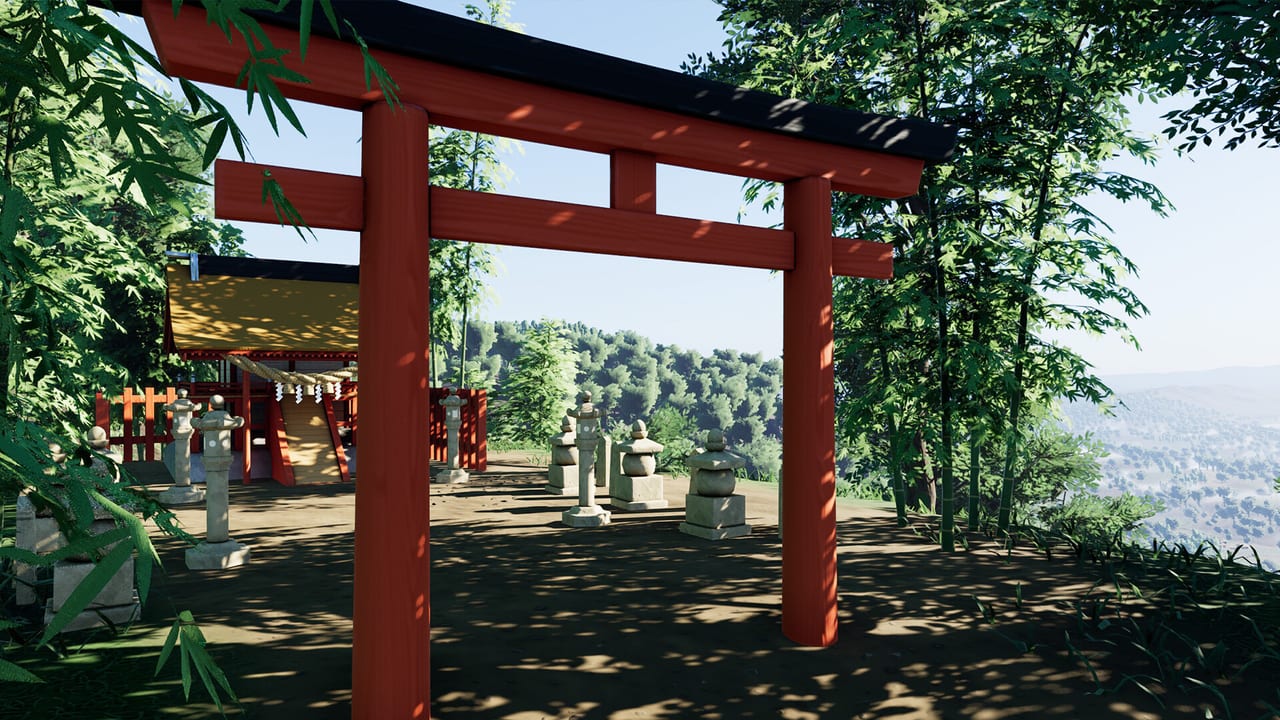
Conquest in Warlord: Awaji is not a painted-map annex. You walk the real Awaji heightmap, take a place with the retinue standing next to you, and live with what the clans do next. The Steam release on 9 September 2026 is single-player only. Darkmatter Games built the island from real elevation data and dotted it with temples and shrines that exist in real life. Civilian convoys and roaming warrior bands already share the roads. Local clans react aggressively to your exploits. If you slaughter civilians, unrest follows. That is the loop: take ground, grant land, move the camp, and do not set the island on fire because it felt faster.
Finish the nearby homestead in getting started before you hunt a castle. Patch vR101 pulled the spawn closer, dropped the homestead distance check to 70 meters, added a confirm note, and renamed capture the farm so people would stop hitting the wrong roofs. The first capture is the tutorial for every capture after it.
Homesteads, forts, and castles
Think in three sizes, not one settlement button.
Homesteads are small. The tutorial one is meant to be taken with a tiny retinue and a short fight. They feed the early land-grant loop: conquered land promotes leaders and raises army capacity, which is the entire army page. They are not worth a massacre. You need the people and the road more than you need a smoking courtyard.
Forts and strongpoints are why quick-reaction forces exist. The store copy is blunt: strategically target strongpoints to weaken enemy QRF. If you skip the outpost and march on the banner you like, the reaction force still has a spine. Hit the supporting place first when you can hold the road after. Do not start a fort assault at dusk with no watch and a camp still packed on the wrong ridge.
Castles and larger warrior seats are late for a reason. Development notes described more than a hundred settlements, about six samurai clans, and a similar number of monk factions named after nearby real localities. Main roads tend to lead toward samurai seats, temples, and shrines. Follow the main road when you want progress; take the offshoot when you have food and a packable camp.
Awaji fixes resources at the start instead of letting you harvest the island empty. That makes captured kit matter, which is why vR101 nudged starting resources up after players overbuilt the tutorial camp. Capture, grant, equip veterans, move.
Shrines, spiritual aura, and warrior monks
Shinto shrines and Buddhist temples are not the same prop. Darkmatter has said they look different to a trained eye and function differently. Capture rival clans’ shrines to boost your spiritual aura and harm theirs. If you cannot hold the shrine, you donated aura to whoever walks in after you leave.
Warrior monks are a second political layer. Some Buddhist temples house armed sohei. The store pitch is to work with esoteric warrior monks to curse enemies and coordinate coalition attacks. Monasteries can sit neutral with their own armed force, then tilt ally or enemy from what you do in combat and after a capture. Curses and coalition strikes are for a retinue that already has a camp and a line.
Do not treat every religious site as a fort. A shrine fight in a mountain fold is a bad place to discover your bows have no lane. Read bow and cavalry if you plan to bring yumi or horses into that fold.
QRF, convoys, and unrest
Quick-reaction forces are why you do not announce yourself on every ridge. Take the strongpoint that feeds the reaction, then take the prize. If you only hit the prize, the QRF arrives on the road you needed for retreat. Radar still paints red for a reason — look at controls if you turned it off.
Roads are live. Civilian convoys and warrior bands criss-cross in real time. A convoy is not XP. Cutting it down for sport is how you teach the island to hate you. Slaughtering civilians raises unrest. Clans already react to burned homesteads and reckless captures. Pitch tents, food, a fence, and a night guard before you pick a fight that might send a raid back at you.
Relation with a faction moves during and after combat, and when you capture a place. You live with the reputation you walk.
When not to burn everything
Burning is a tool, not a personality. Skip the torch when:
- The place is a homestead you want as a grant, not a statement.
- Civilians are still in the yard. Unrest is the bill.
- You have not identified the QRF strongpoint and cannot hold the road.
- The site is a shrine you cannot garrison.
- Your camp is an hour behind you and unpacked.
- You are still on the tutorial clock. vR101 exists because people attacked the wrong farm.
A cleaner first push: take the confirmed homestead, grant land to one leader who survived, pack a small camp, walk the main road, and only then pick a shrine or a fort you can see a retreat from. The walkthrough is the conservative line of march across the heightmap. This page is the rule that keeps that line from turning into a riot.
After the second capture, open the walkthrough — not another village just because it is on the horizon.
Frequently Asked Questions
Quick answers for new warlords landing on Awaji.
Should I burn every homestead I capture in Warlord: Awaji?
No. You need land grants, roads, and a camp you can actually sleep in. Slaughtering civilians raises unrest, and clans already react to reckless captures.
What do rival shrines do?
Capturing them boosts your spiritual aura and harms the rival’s. Hold the shrine. Walking off after a smash-and-grab donates the aura to whoever arrives next.
How do warrior monks fit into conquest?
Work with them to curse enemies and coordinate coalition attacks. Some temples field sohei and can tilt ally or enemy from how you fight and how you capture.
Why did the tutorial homestead move in vR101?
Players attacked the wrong settlement. The patch pulled you closer, set a 70-meter check, renamed the farm string, and made capture / charge / battle-mode steps non-sequential. See getting started.