
Warlord: Awaji Weapons Tier List
Launch-week ranks from videos and in-game history: polearms for the field, odachi for damage, tachi as the starter, tanto as backup.
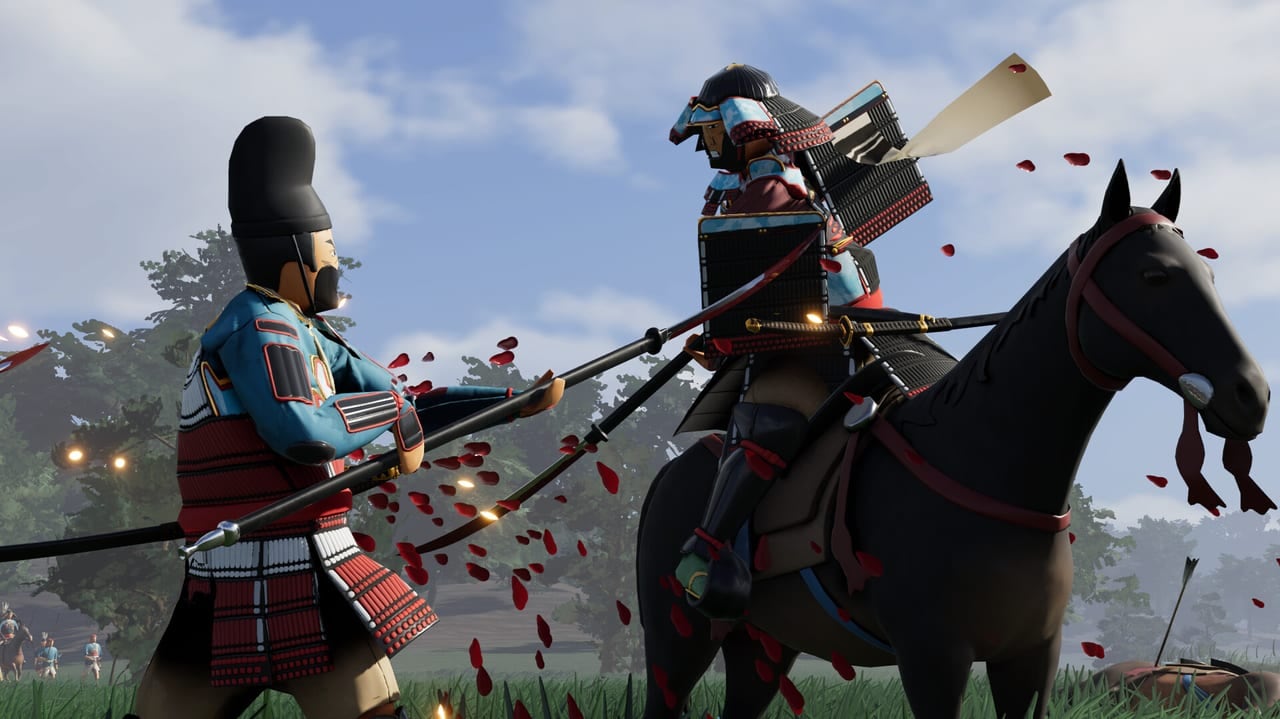
This is a launch-week weapons list for Warlord: Awaji, not a patched esports ladder. Darkmatter’s 9 September 2026 Steam release is days old. Ranks below come from demo and playtest video, the studio’s historical brief, and what first-person crowds actually punish. If a patch changes reach or stamina, check patch notes before you treat S as law.
The game’s steel is period language. You start with a tachi — the historically long sword of the era this setting is selling — not a later katana worn edge-up. Tanto, odachi, naginata, yari, and yumi (five arrow types) join it. Polearms generally outrange a tachi. Sheath to pick up a weapon on the ground; the developer has confirmed that pickup rule in playthrough comments. How you swing sits on combat. Who stands behind you sits on unit composition and the army guide.
The video on this page is a real historical pass at the kit. Use it for culture, not as a hidden stat sheet.
How this list is ranked
Field value first: reach, crowd work, and whether a new warlord can use the thing after the homestead without throwing the retinue. Personal highlight-reel damage is second. Backup tools sit at the bottom on purpose. A tanto that saves you in a tent is still a C-tier field plan.
Look-to-hit means the weapon in your hands is only half the fight. A yari in a blob still loses. A tachi on a veteran who understands block-thrust still wins a doorway. Rank the tool, then read controls so you can sheath, block, and thrust.
S — yari and naginata
Polearms are the field answer. They outrange the starting tachi, they punish people who panic-slash, and they match how this game’s crowds form on roads and homestead yards.
Yari is the straight tool. Thrusts are already the attack you want after a block. A spear in a front rank is how you stop cavalry and how you stop yourself from stepping into someone else’s arc. If a yari is on the ground after the first melee, sheath and take it.
Naginata is the sweeping polearm. It still outranges a sword, and it is the blade you want when the fight is not a single doorway. Warrior monks and shrine fights make more sense with a naginata in the mix than with five matching tachi. Historically it is a battlefield weapon. In Awaji it plays that way. If you only promote one loadout on a leader this week, make it a polearm.
A — odachi and yumi
Odachi hits hard. Demo clips show it: a long field sword with weight, not a sidearm. It is still a sword, so it does not magically beat a yari’s reach, but it is the upgrade path for a warlord who wants a blade that matches the period’s large-sword idea instead of a later katana fantasy. Give it to someone who will not panic-swing in a crowd. Strong, not automatic.
Yumi is why you leave a gap in the formation. Five arrow types exist in the full release. Range changes how you take a road and how you greet a convoy. It is A instead of S because a bow in the wrong hands is a melee death, and because first-week players still need to finish the homestead with a blade. Mounted archery belongs on bow and cavalry, not on this steel list.
B — tachi
The starter. Historically the long sword of the period, worn as a tachi, not as the later short katana. It is good enough to take the nearby homestead if you look-to-hit, block instantly, and thrust. It is not good enough to treat as a personality. When a polearm is on the dirt, the tachi’s job is to go back in the sheath.
Keep a tachi on a veteran who already understands weak spots — face, throat, inner arm — and who will not eat stamina on panic blocks. Do not keep six tachi because the word samurai appeared on the box. The getting started page still assumes you leave the tutorial with this blade. The walkthrough assumes you replace it when the road offers better reach.
C — tanto
Backup. Close, last-ditch, camp and tent work. It is not a field plan. If the tanto is your main weapon on a road fight, you dropped a yari somewhere and did not sheath to recover it. Keep one. Do not rank it beside an odachi because both are “swords.”
What this list is not
It is not a promise that Darkmatter balanced these six tools for a ladder. A perfect naginata still dies if you blob, starve, or farm wounded allies for a demo-era XP trick that Next Fest already removed. Shrines, aura, and monks care about how you take a place. That loop is conquest. The camp that feeds the people holding these weapons is camp.
Play the reach, the sheath, and the formation, then argue ranks on the tier list hub. If the PC is the problem, read system requirements. Official files sit on links. Practical pages start at the guides hub. First-week shopping order: polearm on the dirt, odachi on a veteran, yumi when the formation has a lane, tachi until then, tanto in the belt.
Frequently Asked Questions
Quick answers for new warlords landing on Awaji.
Is this an official or patched esports weapons list?
No. It is a launch-week community and video ranking. Treat S and C as field advice, not as a Darkmatter patch table.
Why does this wiki say tachi instead of katana?
The starter is a tachi, the historically long sword of the period. Katana here would mean the later, shorter wear-style. The game is not selling that later sword as the default.
Should I drop the tachi immediately?
After the homestead, yes if a yari or naginata is on the ground. Sheath to pick it up. Keep the tachi until then; it is a B-tier starter, not a trap.
How do I pick up a weapon from the ground?
Sheath the weapon you are holding, then take the one on the dirt. Polearms generally outrange a tachi, so this is worth the second of vulnerability.