
Campaign Walkthrough for Warlord: Awaji
A conservative first-week route: homestead, small camp, shrine discipline, then roads. Do not rush a Kyoto fantasy.
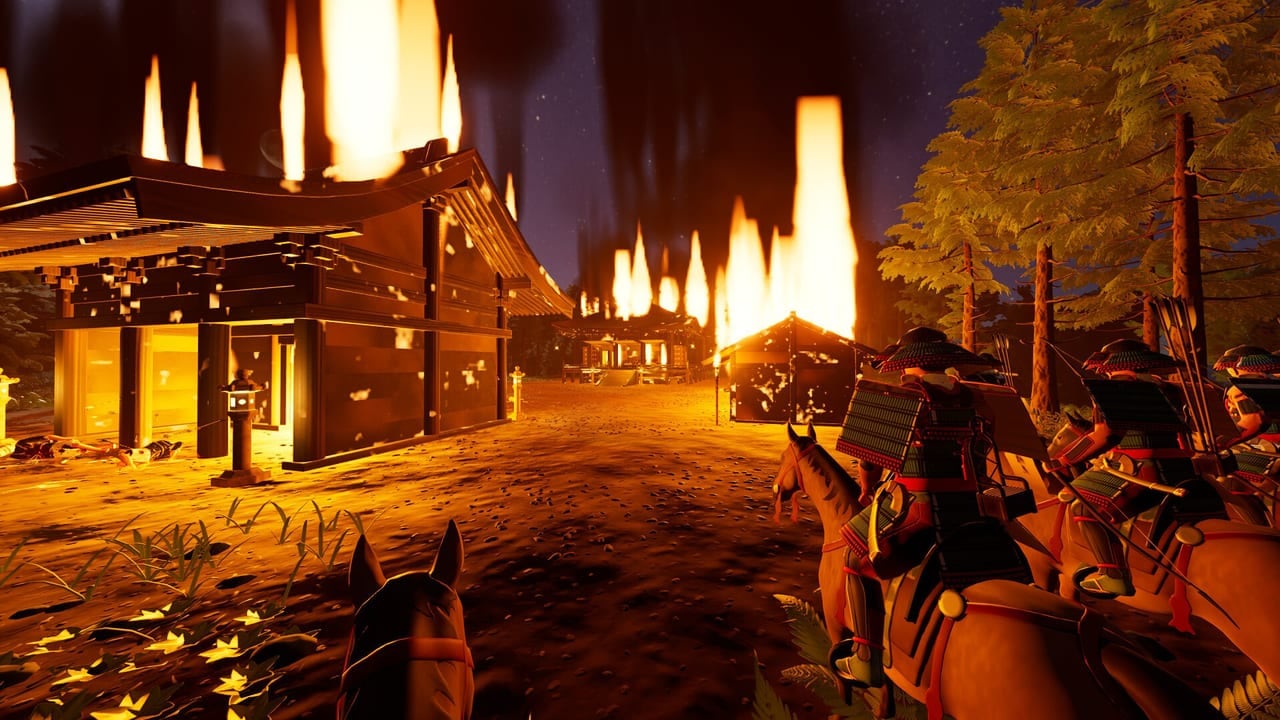
Warlord: Awaji launched on Steam on 9 September 2026 as a finished single-player campaign from Darkmatter Games. This page is a first-week route, not a twenty-hour script with invented town names. The island uses a real heightmap of Awaji, and the temples and shrines you pass are drawn from real places. You walk it in first person. If you still need bindings, homestead order, or the first melee, start on the getting started page and the guides hub instead of skipping to a shrine.
Some community posts asked to play as Kusunoki Masashige. Treat that as an unconfirmed wish about player identity, not as a fact this wiki will print as canon. Steam and Darkmatter sell you as a samurai warlord with covert orders to take the island. Named retainers, land grants, and a camp you can pack are the systems that actually move the campaign. Your sword is one tool. The army guide and camp building guide are the other two.
Nearby homestead, then stop
Finish the nearby homestead. Launch patch notes already had to rename “capture the farm” and pull the spawn closer so you attack the right settlement. Walk to it. Confirm it. Capture it. Do not peel off toward a second roof because it looks more dramatic on the skyline.
After the homestead is yours, pitch the smallest camp that sleeps, feeds, and watches: tents, food, a fence or screen, one night guard. Overbuilding wastes the extra starting resources the first patch handed you. Early on, a camp you can pack in one decision is better than a village you cannot abandon. When to pick up stakes is on the camp page.
First shrine and first strongpoint
Roads, shrines, and strongpoints are the real expansion language. Do not sprint toward a Kyoto fantasy. Awaji sits in the Seto Inland Sea. The campaign is about taking this island, not teleporting to the capital.
Shrines swing spiritual aura. Random roadside slaughter swings popular unrest. Warrior monks live at some temples. Civilian convoys share the roads. Treat the first shrine as a discipline check: approach, read the situation, and decide whether this is a fight, a watch, or a leave-it-alone. Full shrine logic sits on conquest.
A strongpoint is any place that would hurt to lose — a homestead you already paid for, a road fork, a height with a view of a convoy path. Take one. Hold it with a formation, not with a blob. Drag melee to the front, leave space for ranged groups, and leave a slot for cavalry when horses exist. Details are on army and unit composition. What those people carry is ranked on the weapons tier list.
How the island actually talks
Expand along roads. The heightmap is the map. Valleys funnel you. Ridges hide you. You do not need a fan-made gazetteer to march: follow a road until it offers a homestead, a shrine, or a fight you can win with the retinue you have.
Keep veterans alive. Promote leaders with conquered land so the army cap grows. Do not spend every grant on a stranger you met at a roadside banner. Each warrior has a name. Each death is a hole in the formation menu.
Day and night length is a launch-week question. This wiki will not invent a minute count. Night is when you need a watch. Day is when you move camp and fight in the open. If a timer feels wrong, check patch notes before rewriting your route.
Resources are another launch question. Food, rest, and watch are the three you can see in camp. Do not starve a pretty formation. Do not leave the camp empty while you duel on a ridge. Bindings for sheathing, radar, and the formation menu live on controls. Stamina, look-to-hit, and weak spots live on combat.
Field combat is not the campaign map
The video on this page is ThreatX’s bow and horse playtest. Use it as a look at field combat — yumi, horses, the mess of a road fight — not as a fake campaign map and not as a promise that your first week will look that mounted. Bows and cavalry get their own page at bow and cavalry.
If you played Warlord: Britannia, expect the same immersive-strategy loop with Japanese weapons, shrines, monks, and a denser island. A Britannia sprint will get you killed on a naginata.
Head-taking: the demo used a kubijikken-style XP presentation. Launch players asked why that presentation changed. Next Fest already removed XP from killing injured or surrendered allies. This wiki does not invent an official answer. Treat XP as combat merit. Do not farm allies.
A conservative first-week loop
- Capture the nearby homestead and no other roof.
- Pitch a tiny camp with a night watch.
- Take one road to one shrine or strongpoint, then stop and feed the army.
- Promote one leader off land you actually hold.
- Only then take the next road.
If the PC stutters, read system requirements. Steam Deck is listed Unsupported. Official files live on the links page. For a buyer’s take instead of a route, open the review.
Frequently Asked Questions
Quick answers for new warlords landing on Awaji.
Is there a full 20-hour beat-by-beat walkthrough yet?
No. The game launched on 9 September 2026. This page stays on systems you can verify — homestead, camp, roads, shrines, strongpoints — and will not invent a town list.
Do I play as Kusunoki Masashige?
Unconfirmed. Some players wanted that identity. Treat yourself as a samurai warlord with orders to take Awaji unless Darkmatter states otherwise.
Why was head-taking removed?
There is no official answer on this wiki. The demo used kubijikken-style XP presentation. Next Fest removed XP from killing injured or surrendered allies. Treat XP as combat merit and do not farm allies.
Should I rush the next settlement after the homestead?
No. Pitch a small camp, then take one road to one shrine or strongpoint. Read conquest before you treat every roof as a capture target.